New York Tech Week 2026: The Operator's Field Guide to a City-Wide Calendar
New York Tech Week is the largest gathering of founders, investors, and operators on the Tech Week circuit. This field guide shows you how to run the week deliberately rather than reactively, and how to use Croissant’s Manhattan and Brooklyn network to give yourself a private base near wherever the city sends you.

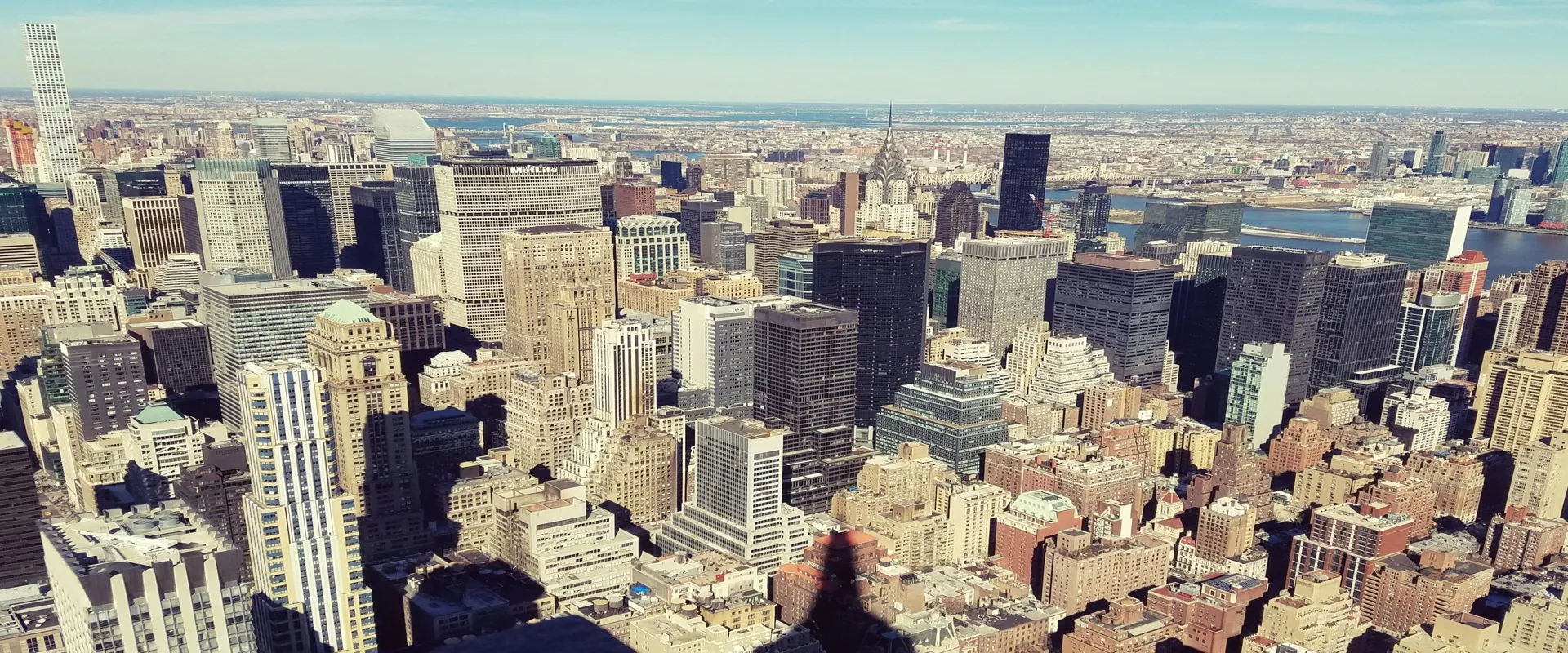
New York Tech Week is the largest gathering of founders, investors, and operators on the Tech Week circuit. It is also the easiest one to lose. The calendar is so saturated that "attending NYC Tech Week" is almost meaningless as a goal. What matters is the small number of meetings, ideas, and relationships you walk out with that change what your next twelve months look like.
The week pays off through three things, and only three:
- The rare sessions that update a real belief you hold about your market
- The meetings that actually push a deal, hire, or partnership forward
- The post-week discipline to convert all that motion into commitments while the conversations are still warm
What separates a productive week from a forgettable one is rarely the events themselves. It is the operational layer behind them, and the one most attendees neglect: where you take the conversation when it gets serious. NYC Tech Week is a sprawl of independently hosted gatherings stretching from Flatiron to Williamsburg, and the city's defaults (sidewalks, hotel lobbies, the occasional coffee shop with two open seats), are not built for the conversations that matter.
NYC Tech Week 2026: The Basics
- Dates:June 1–7, 2026
- Format: Official NYC Tech Week presented by a16z. Independent hosts run each event, with registration handled application-by-application through the official calendar.
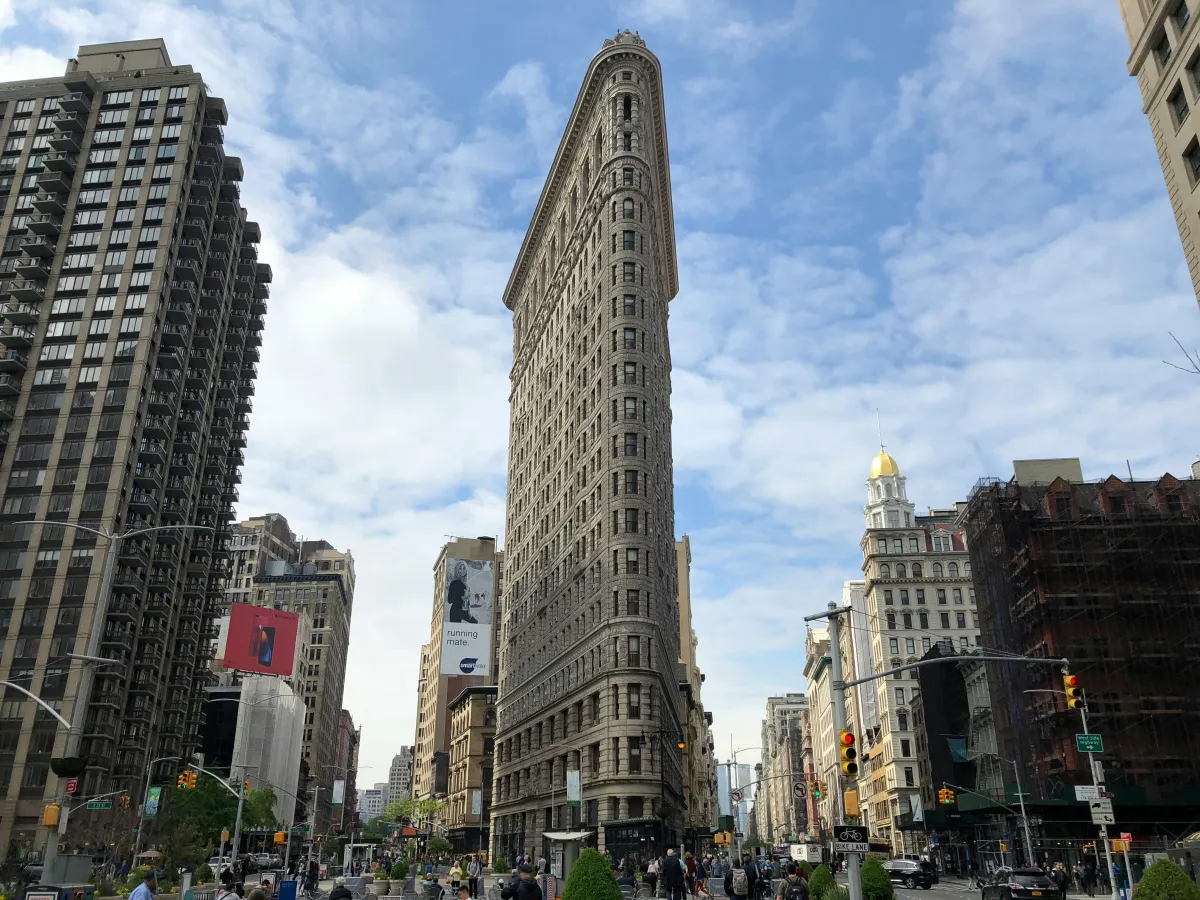
- Footprint: Most of Manhattan and parts of Brooklyn. Flatiron and NoMad sit at the gravitational center, with SoHo and Tribeca for downtown founder programming, Midtown for sponsor-led sessions, the Financial District for the fintech track, and Williamsburg across the East River.
- Reality check: Most worthwhile events require an application or an introduction. Invite-only is the norm, not the exception. Apply early.
- Your real constraint: attention, calendar space, and operational privacy. The "what to do" question is solved by the calendar. The "what to skip" question is everything.
NYC Tech Week is the headline stop on the a16z circuit, and the lineup reflects it. Platinum sponsors include Fenwick, HSBC, and IBM. The tracks tilt toward where the city's tech economy actually concentrates: AI + Infra, Fintech, GTM, Founders, Investors, Engineers, Hackathons, and Students.
The Mental Model: Three Lanes to Run the Week
The week works when you design every day across three lanes.
1) Signal, what you actually learn
The handful of panels and sessions that move your thinking. NYC's track structure does most of the filtering for you. Pick one or two tracks and let everything else drop off the calendar. The grazing strategy fails in a city this big. The calendar is wide enough that a little bit of everything ends up as a lot of nothing.
2) Leverage, what you actually move
The conversations you booked because they advance something specific. A fundraise, a hire, a customer, a partnership, a strategic check on a hard decision. The events draw the people; the leverage lane is where you turn that proximity into action.
3) Recovery, how you stay sharp enough to use the first two
Real downtime, room to think, time blocked off to write down what just happened. Without it, the week ends and you cannot remember which of the thirty conversations on Tuesday now warrants a follow-up email.
The default mode in NYC Tech Week is to overbook. The compounding winners do less, more deliberately, and walk out with a shorter list of higher-value moves.
The Setup
Step 1: Pick three outcomes that justify the time
Name three concrete outcomes that would make the time and travel worth it. Some examples worth borrowing:
- Stress-test a fundraise pitch on three live investors and harvest the objections
- Move two partnership or pilot conversations to a defined next step you can email by Monday
- Validate or kill a 2026 product or market bet by comparing notes with peers operating in the same space
- Open two senior hiring conversations with people you could not otherwise reach
- Start three relationships that compound over the next twelve months, not three contact-card swaps
Step 2: Build the meetings first, then build the week around them
The strongest conversations during NYC Tech Week are scheduled in May, not on Monday morning. A workable shape for each day:
- Two to four scheduled meetings, each with an explicit outcome
- One private block to debrief and capture decisions
- One open slot that can absorb whatever opportunity Tuesday afternoon throws at you
Step 3: Set up the operational layer
The conversations that matter most during the week are also the ones least suited to public space. A panel hall is borrowed. A cafe is leaky. The lobby of a Manhattan hotel during a16z week is essentially a continuous open networking event you cannot opt out of.
Solve the operational layer in advance: line up a Croissant base in each neighborhood where you are spending serious time, so you are always a short walk from a private room when you need one.
Operator test: if you would not want a stranger at the next table to hear it, the conversation belongs behind a door.
Need private meeting space in New York for Tech Week?
Browse coworking spaces and meeting rooms across Manhattan and Brooklyn, bookable by the hour or by the day.
Inside the Week: A Daily Rhythm That Holds
Morning: capture signal
- One signal event in your chosen track
- One short, targeted networking window with names on a list, not a vague intention to "work the room"
Midday: move decisions forward
- The two meetings you already booked
- Twenty to thirty minutes at your nearest Croissant base afterward to write down what was decided, what is next, and who owes whom an email
Late afternoon: lock in what happened
- Sit with the team, or alone if you are solo, and run a debrief. What updated? What did not?
- Calendar the highest-priority follow-up before you head to dinner, while the context is still warm
Evening: pick one move, skip four
NYC Tech Week evenings are a competitive market in their own right. Pick one event each night (the right dinner, the right rooftop, the right invite-only thing), and skip the rest. Treat the evening like a relationship investment, not a vacation.
The Mistake Most Attendees Make: Operating Without a Base
A traditional conference compresses everything into one venue. NYC Tech Week does the opposite. It spreads programming across Manhattan and Brooklyn and forces you to navigate the city between events. A breakfast in Flatiron, a fintech panel in FiDi, a founder mixer in SoHo, a Brooklyn hackathon demo in the evening. Each transition costs time, energy, and the focus you need for the conversation on the other end.
Event spaces work well for taking in the program and meeting people. They are poorly suited for everything else that needs to happen during the week:
- Confidential investor, customer, or executive conversations
- Term-sheet, pricing, and partnership negotiation
- Team huddles where decisions actually get made
- Heads-down time for email, notes, and prep for the next room
In a week that has no central home, the one you set up yourself is the closest thing to a structural advantage. Croissant's New York footprint is dense enough that "one home base" is the wrong way to think about it, plant a base near each neighborhood where your week is going to concentrate.

The Croissant Workspace Layer: A Base Near Every Cluster
Map your week against Croissant's Manhattan and Brooklyn coverage and pick the right space for each cluster instead of forcing yourself back to one spot. Below is a working shortlist of spaces matched to where NYC Tech Week's strongest programming concentrates.
Flatiron and NoMad: the gravitational center
The densest concentration of Tech Week events sits in NoMad and Flatiron. Founder breakfasts, VC office hours, AI infra panels, investor mixers. Base here and most of the week becomes a walk, not a subway ride.
Nomadworks, NoMad
- Ideal for: a recurring weeklong base, back-to-back meetings, and calls between sessions in the dense NoMad and Flatiron event belt
- Why it works: one of Croissant's largest New York spaces at 1216 Broadway, 30,000 square feet across three floors, with phone booths, weekend access, and a half-dozen subway lines within easy walking distance
- Operator tip: lock a recurring seat here for the full week and cut your subway time during the densest event cluster to near zero
Luminary, NoMad
- Ideal for: a polished alternative for the days you want more than a hot desk, a private call, a shower after the morning Central Park run, a quiet recovery moment before a stakes-heavy meeting
- Why it works: three elegantly fit-out floors at 1204 Broadway, one block north of Nomadworks, with hourly conference rooms plus a fitness room, showers, meditation room, and mother's room
- Operator tip: keep this in reserve for the day you need to walk into a high-stakes meeting looking polished, not haggard
SoHo, Tribeca, and Lower Manhattan: the downtown founder belt
Downtown carries the founder events, the after-parties, and most of the city's early-stage energy.
The Farm, SoHo
- Ideal for: downtown days, especially when events run past traditional working hours
- Why it works: 24/7 access at 447 Broadway in the heart of SoHo, with conference rooms bookable from $40 an hour and a rustic Silicon Alley feel that matches the founder-heavy downtown event scene
- Operator tip: book a conference room here when an evening conversation outlasts the host venue, most coworking shuts at 6, this one does not
Margalit Startup City, Lower Manhattan
- Ideal for: a day anchored downtown for founder events along the SoHo, Tribeca, and Lower Manhattan edge
- Why it works: an innovation hub at 122 Grand Street, set inside a six-story building designated a New York City landmark, with hourly conference rooms and a natural alignment to the downtown startup community
- Operator tip: pair this with The Farm on a downtown-heavy day, one for morning meetings, the other for the evening cluster, with almost no transit between them
Don't leave your high-stakes conversations to a sidewalk
Book private meeting rooms and coworking across Manhattan and Brooklyn. Reduce transitions, protect confidentiality, and keep your Tech Week schedule resilient.
Midtown: sponsor programming and the commuter funnel
Midtown hosts much of the larger sponsor-led programming and is where out-of-town visitors anchored at Times Square or Bryant Park hotels naturally converge.
Jay Suites, Bryant Park
- Ideal for: Midtown meeting days, particularly when an out-of-town investor or executive is staying nearby
- Why it works: an art-deco Broadway tower at 1441 Broadway, three floors of polished workspace with panoramic skyline views, hourly conference rooms, and both Bryant Park and Times Square at the doorstep
- Operator tip: if your investor flies in and stays in Midtown, meeting here is the lowest-friction option on your menu
Financial District: the fintech track
The Fintech track is a real feature of the NYC calendar, and much of the conversation (and the people) sit close to Wall Street.
Bond 55 Broadway, Financial District
- Ideal for: the fintech track and any meeting where the room itself needs to telegraph credibility
- Why it works: more than 20,000 square feet of sleek workspace at 55 Broadway, steps from the Charging Bull, with conference rooms for up to eight at $75 an hour
- Operator tip: book a room here for a fintech investor or banking-sector conversation. The address does some of the signaling for you

Williamsburg and Brooklyn: the east side of the river
Brooklyn carries a meaningful share of Tech Week programming, especially in the founder and creative-tech scene around Williamsburg.
The New Work Project, Williamsburg
- Ideal for: any day with a Brooklyn anchor event, instead of crossing the East River twice
- Why it works: a design-led conversion of a Williamsburg foundry at 97 N 10th Street, with two distinct floors (one mid-century black-and-white, one with Manhattan skyline views), event space for up to 75, and AV-equipped conference rooms from $70 an hour
- Operator tip: if a Brooklyn event is your anchor, plant yourself here for the morning and afternoon rather than ping-ponging back to Manhattan between meetings
Scheduling note: Availability across NYC tightens fast during NYC Tech Week. Book your bases early and treat them as fixed infrastructure for the week, not as a backup plan.
Ready to lock in your NYC Tech Week workspace?
Secure meeting rooms and coworking near every event cluster before availability tightens.
Booking Strategy: Build the Week Around the Rooms
Three uses for a reserved room
Most of the value of a Croissant room during Tech Week comes from three recurring uses:
- The private conversation: pricing, term sheets, references, sensitive recruiting
- The decision room: a small group reading the data and choosing what to do next
- The focus block: an hour to write notes, send follow-ups, and prep the next meeting
Defend the schedule against the subway
The NYC subway is reliable on a normal Tuesday and unpredictable during a major event week. A schedule that asks you to cross from Williamsburg to Lower Manhattan to Midtown to Brooklyn in one day will break by Wednesday. Some defensive practices:
- Group events by neighborhood per day whenever the calendar lets you
- Cluster your meetings at the Croissant base nearest that day's anchor cluster
- Keep one open buffer in every day's plan, no exceptions
The two-block method
Across all of the above, the simplest pattern works:
- One outward-facing block at your nearest Croissant space, meetings, calls, scheduled conversations
- One inward-facing block at the same space, debrief, notes, follow-ups, prep
That is the system. Two blocks. Build the day's events around them, not the other way around.
The failure mode this prevents is the one almost every attendee experiences: a week of strong conversations, none of which get followed up on with any real intent, because there was never a quiet hour in which to do it.
How to Triage the Calendar
Approach the NYC Tech Week calendar as a triage exercise, not a wish list. Three categories worth keeping in your head:
Bucket A: outcome events
Directly attached to one of your Top 3. If the right investor, hire, customer, or partner is in the room, this is the event you do not skip even if something more interesting appears.
Bucket B: signal events
Track sessions that sharpen a decision you are actively wrestling with. AI infra, fintech, GTM, founder programming. Pick by relevance to a real choice you are making, not by which speaker is hot this month.
Bucket C: exploration events
New spaces and communities you are curious about for next year, not this quarter. Cap these. They are how the calendar fills up with low-yield commitments.
Going into any meeting, write down the one question that, if answered honestly, would move the relationship forward. Some that travel well:
- "What would the first 60 days of working together actually look like?"
- "What is the next thing you would need to see from me?"
- "Who else here should I be spending time with this week?"
When the answer to that question opens a real door, move the conversation off the floor and into a room you have already reserved.
What You Do After the Week Matters More Than What You Did During
Within forty-eight hours of NYC Tech Week ending, your follow-up window is open. After that, the half-life on Tech Week introductions drops fast. Two non-negotiables:
- Convert your notes into a structured decision log. For each open thread: the decision or open question, the dependency, the next step, the owner, and a date.
- Send every follow-up with three elements: a specific reference to something said in the conversation, an explicit ask, and a proposed time on the calendar.
NYC Tech Week supplies the surface area. The follow-up turns it into pipeline.

The Bottom Line
NYC Tech Week puts an enormous slice of the global tech ecosystem in front of you across seven days and the full footprint of the city. That density is the asset. It is also the trap. Without a system, the week dissolves into a blur of half-conversations and unread Partiful invites.
The operators who walk away with real outcomes are the ones who pre-decided what they were optimizing for, who lined up the rooms before they needed them, and who did not try to attend every event the algorithm recommended.
Use Croissant to give yourself bases near each cluster where your week is actually going to play out, and run NYC Tech Week as a disciplined operation rather than an exhausting one.
Set Up Your NYC Tech Week Workspace Before Availability Tightens
NYC Tech Week availability moves fast during a16z weeks. Reserve coworking access and meeting rooms across Manhattan and Brooklyn now so your week runs with privacy, control, and momentum.
- ✓ Book private meeting rooms in every neighborhood where your events concentrate
- ✓ Access coworking for focus blocks, debriefs, and follow-ups
- ✓ Cut transitions and protect the schedule against subway variability