Third Spaces: What They Are and Why They Matter More Than Ever
Third spaces are the informal gathering spots (cafes, libraries, parks, coworking spaces) that exist outside home and work where community actually happens. Sociologist Ray Oldenburg coined the term in 1989, but the concept has never been more relevant than it is right now.


Third spaces are the informal gathering spots (cafes, libraries, parks, coworking spaces) that exist outside home and work where community actually happens. Sociologist Ray Oldenburg coined the term in 1989, but the concept has never been more relevant than it is right now.
As traditional offices fragment and remote work reshapes daily routines, the places where people connect outside their homes and jobs are becoming critical infrastructure for both social wellbeing and workplace strategy. This guide covers what defines a true third space, why these places are disappearing, and how organizations are rethinking workspace access for distributed teams.
What are third spaces
Third spaces are environments separate from home and work where people gather, relax, and build community. Sociologist Ray Oldenburg coined the term in his 1989 book The Great Good Place to describe informal gathering spots that foster socialization and belonging.
The framework breaks down into three categories:
- First place: Home, where you live and handle domestic life
- Second place: Work or school, where you spend structured professional hours
- Third place: Informal public spaces such as cafes, libraries, parks, barbershops, and community centers
What makes third spaces distinct is their voluntary nature. You show up because you want to, not because you have to. That quality is what makes them powerful for building social bonds outside the obligations of home and work.
The origin of the third space concept
Ray Oldenburg developed the third space concept while studying American suburban life in the 1980s. He noticed something troubling: as neighborhoods became more car-dependent and spread out, the casual gathering spots that once anchored community life were disappearing.
His concern wasn't abstract. Oldenburg saw a direct link between the decline of public gathering spaces and rising isolation, weakened civic engagement, and fraying social fabric. The Great Good Place became a foundational text in urban sociology, the academic field that studies how physical environments shape social behavior.
The eight characteristics of a third space
Oldenburg didn't just name third spaces. He defined what makes them work. The following eight characteristics distinguish genuine third spaces from places that merely look like them.
Neutral ground
Third spaces are places where people can come and go freely without obligations. No one plays host, and no one owes anyone anything. You're not a guest in someone's home or an employee at someone's business. You're simply present.
A leveler
Social status and background become irrelevant inside a third space. The CEO and the barista participate as equals. This leveling effect is rare in modern life, where most environments sort people by income, profession, or social standing.
Conversation as the main activity
Talk and social interaction are the primary draw. While you might buy a coffee or check out a book, the real purpose is connection. Third spaces prioritize lingering over transactions.
Accessibility and accommodation
Good third spaces are easy to reach, open during convenient hours, and welcoming to both regulars and newcomers. High barriers to entry, whether physical, financial, or social, undermine the whole point.
The regulars
A core group of familiar faces gives the space its character. Regulars create continuity and help newcomers feel welcome. Without them, a space is just a location.
A low profile
Third spaces tend to be unpretentious and plain. They're not exclusive or intimidating in appearance. The neighborhood dive bar qualifies; the velvet-rope club doesn't.
The mood is playful
Light-hearted atmosphere matters. Wit and good humor are valued over seriousness. Third spaces are where people go to decompress, not to perform.
A home away from home
The best third spaces provide warmth, comfort, and a sense of belonging similar to domestic life. You feel ownership without actually owning anything.
Common examples of third spaces
Third spaces take many forms depending on culture, geography, and era. The following are the most common types.
Cafes and coffeehouses
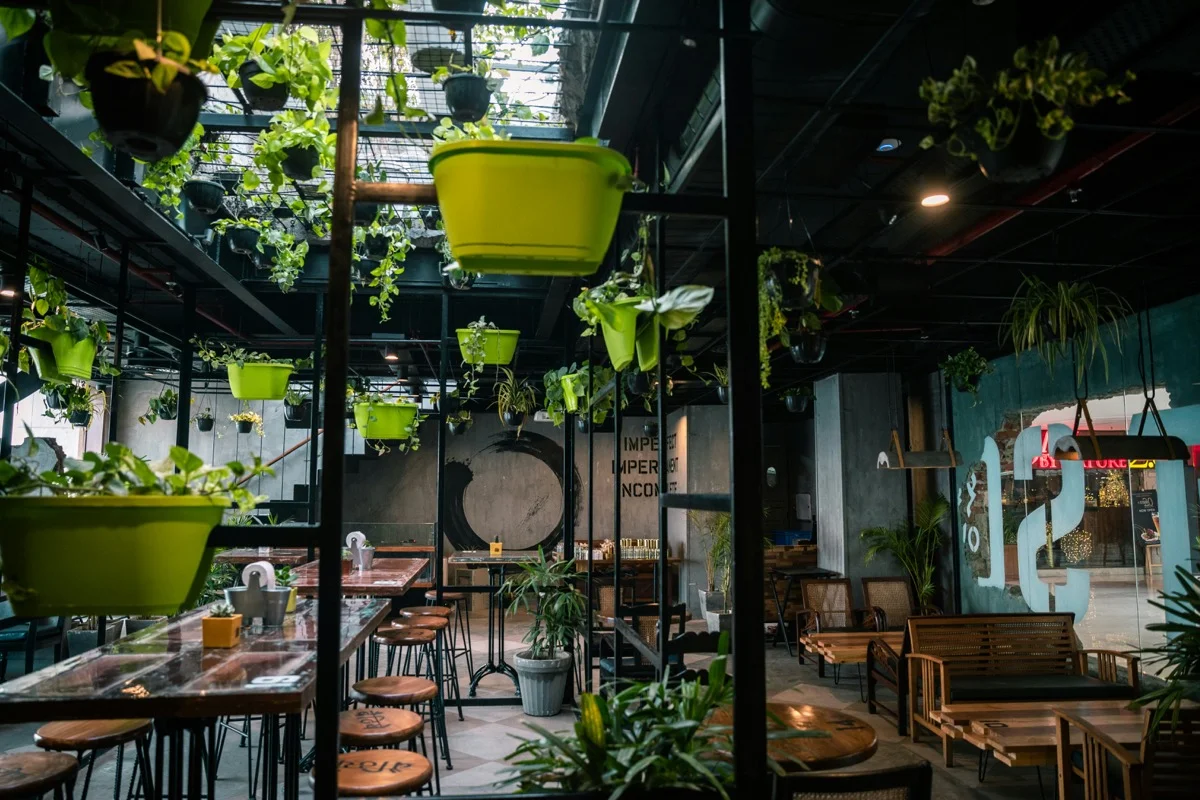
The classic third space. European coffeehouse culture dates back centuries, and the model persists because it works: low-cost entry, permission to linger, and a steady stream of familiar faces.
Libraries and bookstores
Free or low-cost access makes libraries particularly democratic third spaces. Many now offer community programming, maker spaces, and gathering rooms that extend their social function beyond books.
Parks and public squares
Outdoor gathering spaces remain accessible to all income levels. A well-designed park serves the same community-building function as any indoor venue, and sometimes better, since there's no purchase required.
Gyms, clubs, and community centers
Membership-based spaces can still function as third places when they develop regular communities. The YMCA, local gyms, and recreation centers often serve this role for people who return consistently.
Coworking spaces
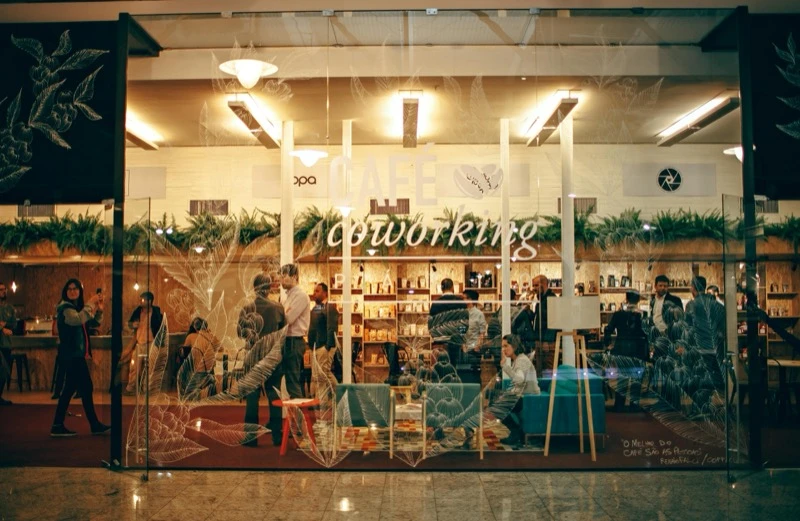
A modern evolution of the third space concept. Coworking combines professional functionality with the social and community characteristics of traditional third places. For distributed teams especially, coworking spaces have become essential infrastructure for connection.
Why third spaces matter for community and wellbeing
The benefits of third spaces extend well beyond pleasant afternoons. Research consistently links access to third spaces with improvements in social and mental health.
- Reduces isolation: Regular social contact outside home and work creates natural touchpoints that prevent loneliness
- Builds social capital: Third spaces foster "weak ties": the acquaintances and neighborhood connections that often prove valuable for information sharing and opportunity
- Supports mental health: A sense of belonging and identity affirmation comes from being recognized and welcomed somewhere
- Strengthens civic life: Informal spaces have historically served as venues for democratic discourse and community organizing
The decline of third spaces correlates with rising rates of loneliness, social fragmentation, and civic disengagement across many developed countries.
Why third spaces are disappearing
Finding good third spaces is harder than it used to be. Several forces are working against them.
- Economic pressure: Rising commercial rents force closures of independent cafes, bookstores, and community venues, exactly the places that function as third spaces
- Urban development: Public spaces increasingly give way to private development that discourages lingering
- Suburban design: Car-dependent neighborhoods lack walkable gathering spots, making spontaneous social interaction nearly impossible
- Digital substitutes: Social media and remote work reduce the perceived need for in-person gathering, even as they fail to deliver the same benefits
The result is a landscape where third spaces are becoming luxuries rather than defaults.
The rise of virtual and digital third spaces
Online communities, gaming platforms, Discord servers, and social media groups have emerged as attempted digital equivalents to physical third spaces. For many people, especially younger generations, virtual spaces provide genuine community and connection.
However, digital third spaces have limitations. The absence of physical presence weakens social bonds. Nonverbal cues disappear. And the algorithmic nature of most platforms prioritizes engagement over genuine connection. Virtual third spaces can supplement physical ones, but they struggle to replace them entirely.
Why third spaces matter more for distributed teams
Here's where the concept becomes directly relevant to workplace strategy. When employees work remotely or in hybrid arrangements, they lose the "second place" as a social anchor. The office, whatever its flaws, provided built-in opportunities for connection, mentorship, and spontaneous collaboration.
Distributed teams face a specific set of challenges:
- No default gathering point: Without a shared office, teams lack natural opportunities to meet
- Intentional connection required: Every in-person interaction requires planning and coordination
- Local community matters: Employees benefit from professional spaces near their homes, not just a distant headquarters
- Flexibility over fixed leases: On-demand access to workspace beats committing to real estate that may sit empty
Third spaces, particularly coworking spaces, fill this gap by providing the infrastructure for connection that distributed teams otherwise lack.
How coworking became the modern third space
Coworking spaces started as havens for freelancers seeking alternatives to coffee shops. Over the past decade, they've evolved into something more significant: professional third spaces that combine work functionality with community benefits.
The shift from freelancer-focused origins to enterprise adoption reflects a broader change in how companies think about workspace. Rather than maintaining expensive headquarters that employees visit reluctantly, organizations increasingly provide access to networks of coworking spaces where employees can work, meet, and collaborate on their own terms.
Croissant calls this model a third-space network: one company program that gives employees bookable access to coworking desks, meeting rooms, and private offices across many providers and cities, with the company setting the budgets, policies, and reporting. Croissant runs a third-space network for distributed teams, combining third space benefits with enterprise-grade controls.
How companies can give employees access to third spaces
For HR, Workplace, and Operations leaders, providing third space access is increasingly a strategic priority rather than a perk. The challenge is doing it without creating administrative chaos.
- Centralize access: Replace fragmented vendor relationships and reimbursement processes with a single platform
- Set policies and budgets: Control where employees can book, what types of spaces they can use, and how much can be spent
- Enable self-service: Let employees find and book workspaces instantly without waiting for approvals
- Gain visibility: Track usage and spend across the organization to understand how workspace is actually being used
The goal is employee flexibility with operational control: giving people the freedom to work where they're most productive while maintaining governance.
Flexible workspace access without the vendor chaos
Croissant helps companies provide third space access without managing multiple vendors or reimbursements.
FAQs about third spaces
What is the difference between a third place and a third space?
The terms are used interchangeably. "Third place" is Ray Oldenburg's original term from his 1989 book; "third space" has become a common variant with the same meaning.
What are good third spaces for Gen Z?
Gen Z frequents cafes, libraries, coworking spaces, and gaming lounges. Many also participate in digital third spaces like Discord servers and online communities, though physical spaces remain important for deeper connection.
Are coworking spaces considered third spaces?
Yes. Coworking spaces combine professional functionality with the social and community characteristics of traditional third places, making them particularly valuable for distributed workers who lack a traditional office.
What is a third-space network?
A third-space network is Croissant's term for a company-run program that gives employees access to many third spaces instead of one office or one coworking membership. Employees book desks, meeting rooms, and private offices near where they live and work; the company sets budgets and policies and pays one invoice.
What is a fourth place?
Fourth place is an emerging concept referring to digital or virtual spaces that serve social functions similar to physical third places: online communities, multiplayer gaming environments, and virtual gathering platforms.
Give Your Team Access to Third Spaces Everywhere
Croissant gives distributed teams access to 800+ coworking spaces worldwide: flexible workspace access with the budgets, policies, and visibility your operations team needs.
- ✓ Self-serve booking without approvals or expense reports
- ✓ Policies and budgets that keep spend under control
- ✓ Usage visibility across the whole organization